
Everyone is required to wear a face mask in a Minnesota Oncology clinic. Wearing a face mask in public helps prevent the spread of COVID-19 — but only if worn properly, covering both your nose and mouth. Read our mask-wearing tips to get the maximum protection for yourself and others.
Follow these guidelines to properly wear your face mask:
- Wash your hands before and after touching the mask.
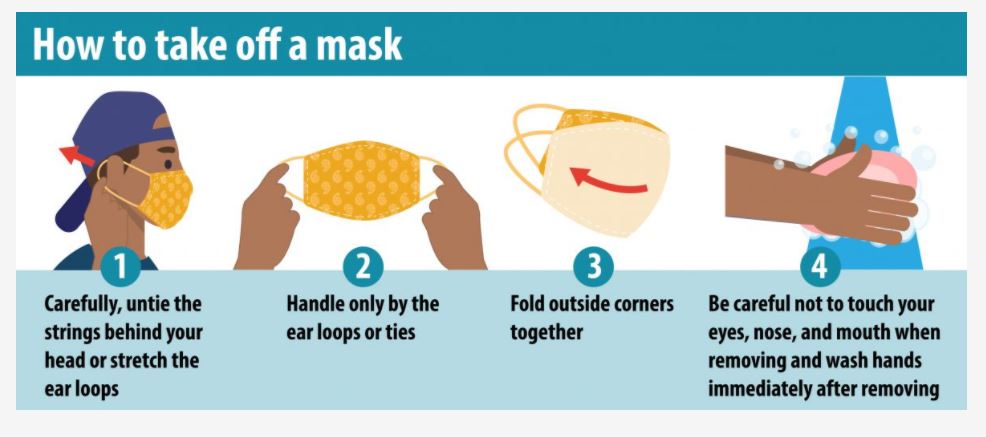
- Touch only the bands or ties when putting on and taking off your mask.
- Make sure the mask fits to cover your nose, mouth and chin. If you adjust the mask to cover those areas, wash your hands before and after.
- Make sure you can breathe and talk comfortably through your mask.
- Wash reusable masks after each use. If the mask is disposable, discard it when visibly soiled or damaged.
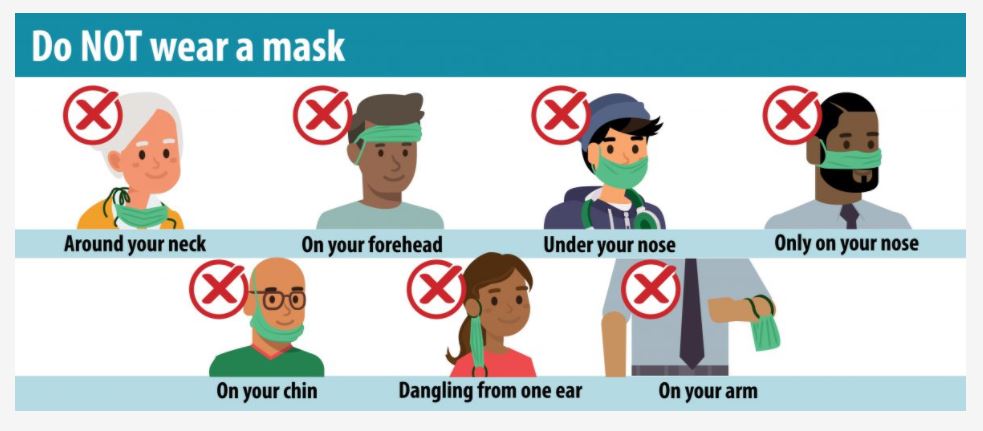
To protect yourself and others, avoid these common mask-wearing mistakes:
- We do not recommend wearing bandanas, gaiters or masks with exhalation valves as face coverings.
- Don’t wear the mask under your chin with your nose and mouth exposed.
- Don’t leave your nose or mouth uncovered.
- Don’t remove the mask while around others in public.
- Don’t share your mask with family members or friends.
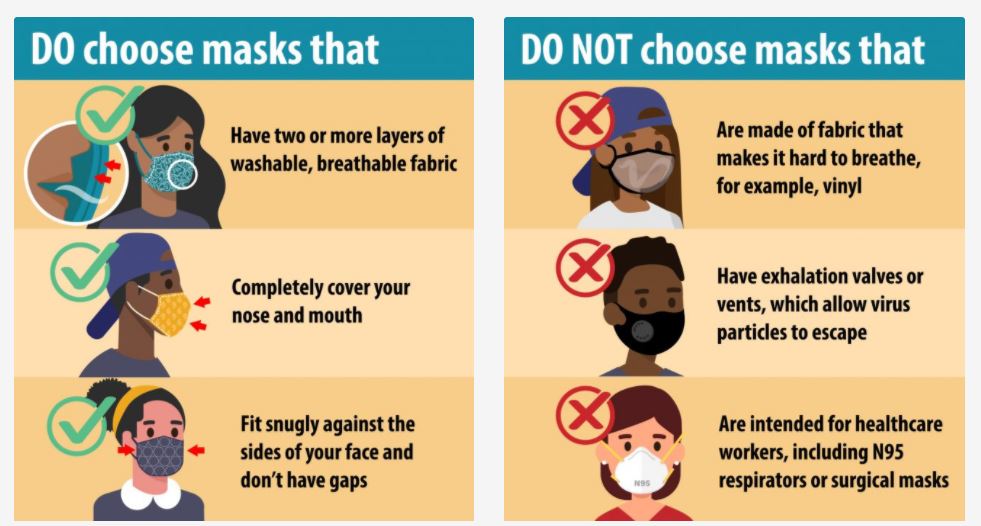
How to Choose a Face Mask
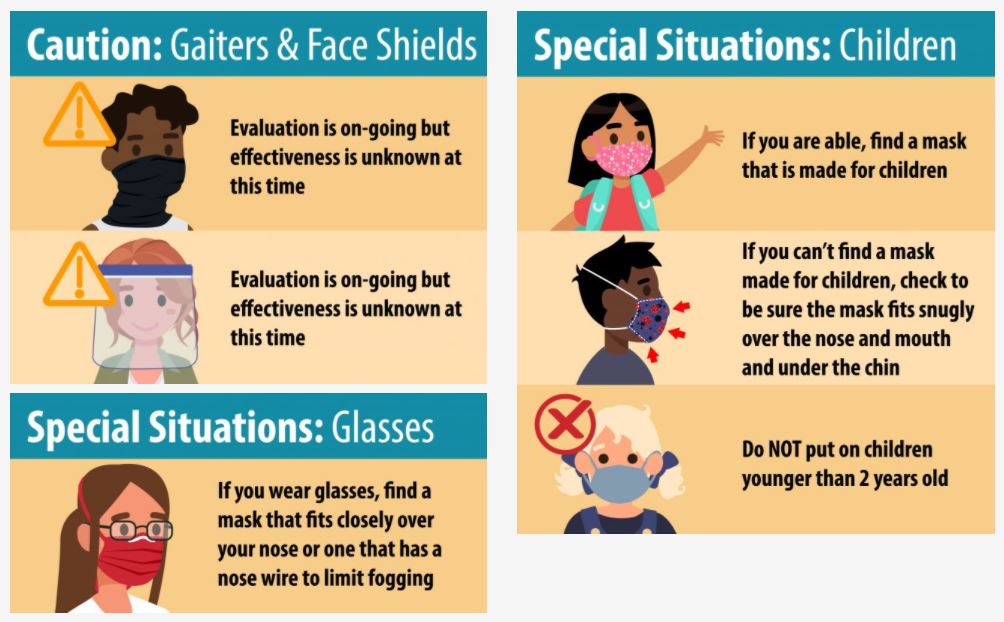
Caution: Gaiters & Face Shields are Not Proper Masks
How NOT to Wear a Mask:
How to Properly Remove a Mask:
For more information on face masks, visit: https://www.cdc.gov/coronavirus/2019-ncov/prevent-getting-sick/about-face-coverings.html
Share
Categories
Tags
Recent Posts
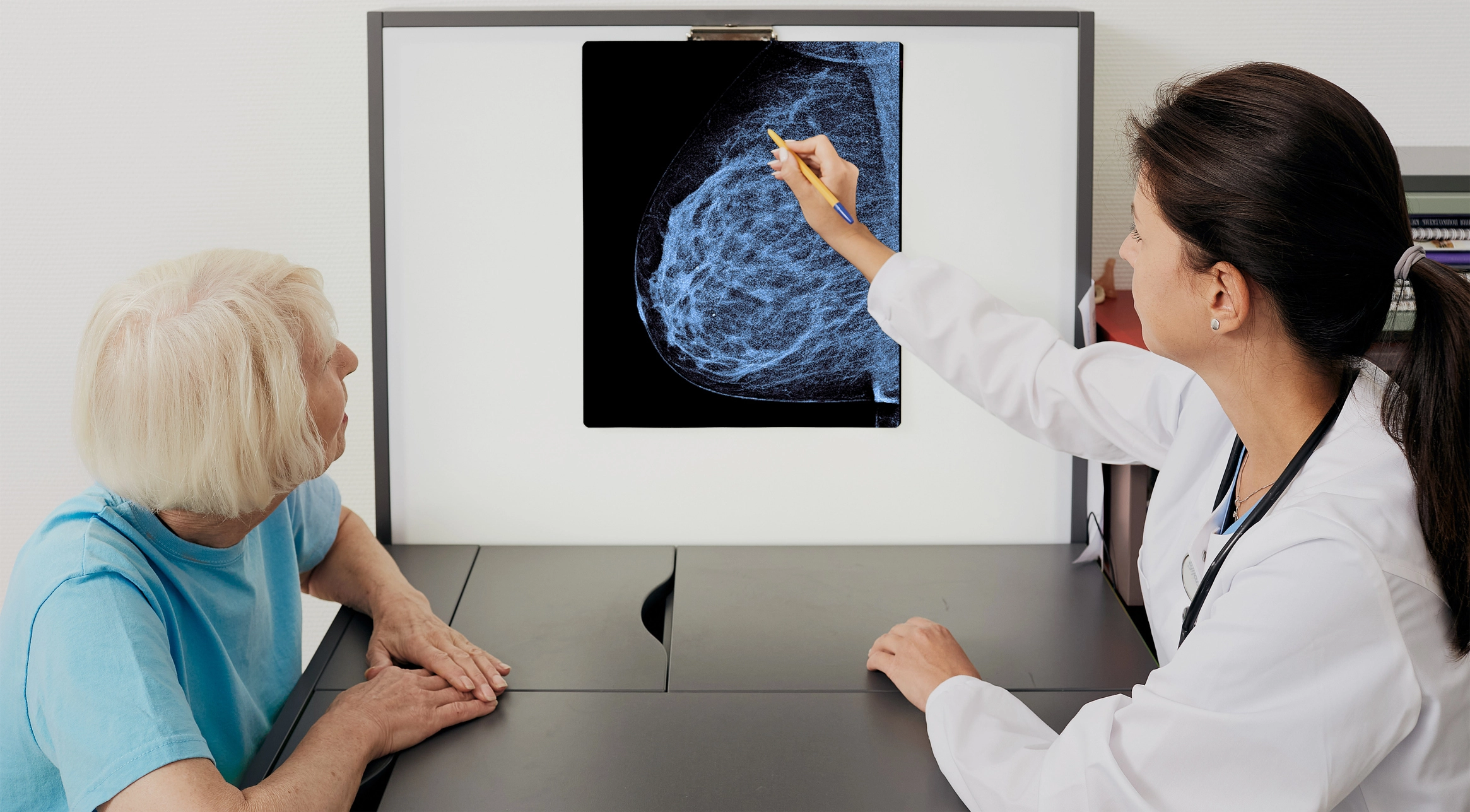
Dense breast tissue can affect how breast cancer appears on a mammogram and may increase breast cancer risk. Learn about breast density, mammogram results, additional screening options, and questions to discuss with your healthcare provider.

Learn about metastatic breast cancer, also known as stage IV breast cancer, including treatment options and clinical trials available through Minnesota Oncology.

Understanding your breast cancer risk can help you make informed decisions about screening and early detection. Learn about risk factors and personalized breast cancer screening options.