
by Sarah Barts, MA, RD, CSO, LD
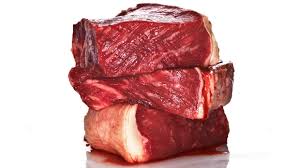 Recently, you have probably heard the news from the World Health Organization’s International Association for Research on Cancer (IARC) as they reported that processed meats such as bacon, hot dogs, sausage and cold cuts ARE carcinogenic to humans and red meat such as beef, pork and lamb are PROBABLY carcinogenic to humans. Is this true? What does it mean?
While this report by IARC is news, it is not new information. This recommendation has been supported by the American Institute of Cancer Research, and has been a recommendation for cancer prevention since 2007. The position of the American Institute of Cancer research in terms of cancer prevention includes: *Minimize the consumption of red meats (beef, pork, lamb) to no more than 18 ounces per week and *Avoid processed meats. They mention that consumption of these products on a regular basis can increase risk of colorectal cancer, specifically.
The process that is completed to preserve meats, including salting, curing or smoking can form potentially carcinogenic compounds and any consumption is linked to an increased risk. In fact, both AICR and WHO mention that even as little as 50 grams of processed meat consumed per day, which is equivalent to 1 small hot dog, can increase risk for colorectal cancer by 18 percent. In terms of consuming meats, they are generally cooked at high temperatures such as searing or grilling. High temperature exposure to meat can increase the formation of Heterocyclic Amines (HCAs) and Polycyclic Aromatic Hydrocarbons (PAHs) which have also been linked to cancer because they can change the DNA that leads to its development. The AICR has found, though, that eating smaller amounts (no more than 18 ounces per week) has not been associated with an increased risk.
With that being said, to help prevent your risk for colorectal cancer:
- Save processed meats like bacon, sausage, deli meats or hot dogs for special occasions. Processed meats include anything that has been cured, salted or smoked.
- Limit red meats to less than 18 ounces per week. Red meats include beef, pork and lamb.
- Choose other sources of protein such as chicken, turkey, eggs and fish or plant based proteins such as beans, legumes, nuts and seeds more often.
American Institute of Cancer Research (AICR). https://www.aicr.org/cancer-prevention/
American Institute of Cancer Research (AICR) https://www.aicr.org/resources/blog/bacon-hot-dogs-and-lunch-meat-is-it-processed-meat/
Share
Categories
Tags
Recent Posts

Clinical trials are essential to advancing cancer care. Learn what clinical trials are, how they work, and how they help improve treatment options for patients.

“Minnesota Oncology listens. You are heard. Any concern you have, they do their best to answer it,” she said. “I am so thankful for everyone at Minnesota Oncology – Dr. Vera, Syndey, the schedulers, infusion nurses, everyone at the Maple Grove clinic. You feel at home there, which is hard to do when you are going through treatment. Minnesota Oncology treats you like family.”
Testicular cancer happens when cancer cells grow in one or both testicles. It is not very common. About 1 in 250 men will get testicular cancer during their lifetime.