
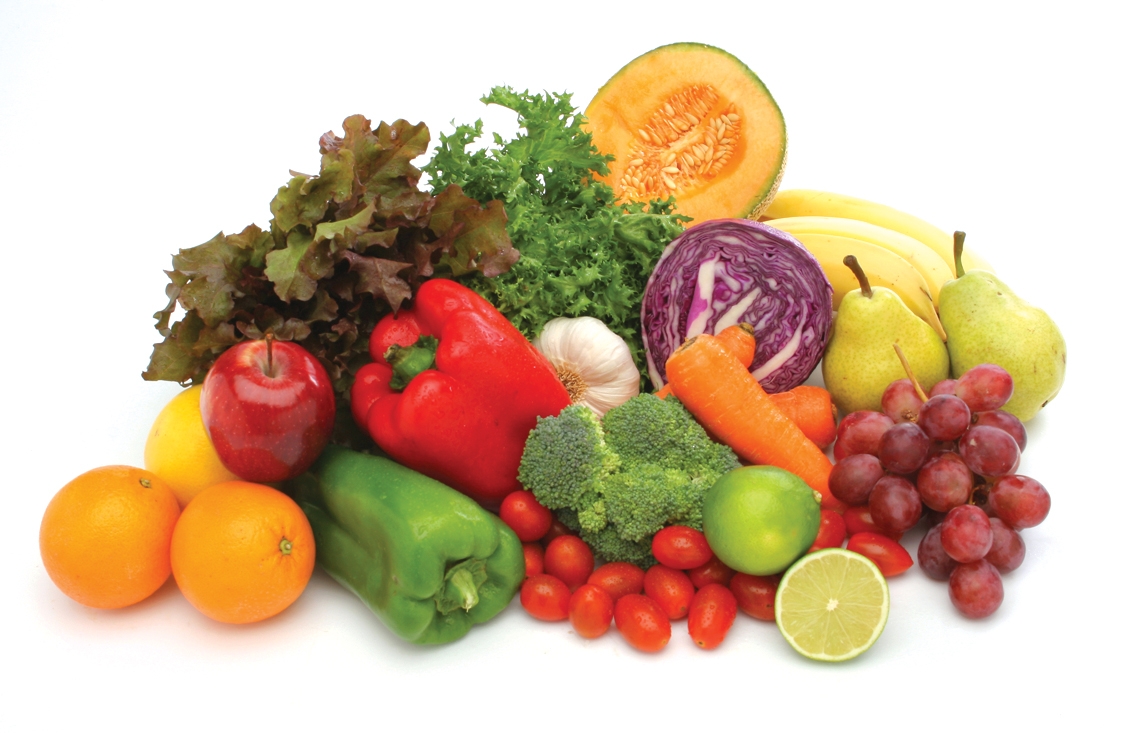
You have probably heard from your doctor, your nurse, the media, and your dietitian that you should follow a plant-based diet for optimal health and to reduce your risk for cancer and cancer recurrence. But what does that really mean and how exactly do you eat this way?
The recommendation to eat a plant-based diet comes from the World Cancer Research Fund and the American Institute for Cancer Research. In 2007, they published a report with recommendations from an expert panel of 21 world-renowned scientists. They completed a 5-year systematic literature review of the approximately 7,000 scientific papers on nutrition. One of the 10 recommendations from this committee was to “Eat mostly foods of plant origin”.
You will decrease your risk for heart disease, high blood pressure, obesity, type 2 diabetes, and cancer by following a plant-based diet (2). Plants have various vitamins and minerals, fiber, and phytonutrients that provide health benefits. Carotenoids are one example of a phytonutrient. These work as antioxidants that prevent oxidative damage to the cells. They have also been shown to help improve the immune system.
This report specifically recommends that individuals aim for at least 5 servings of non-starchy vegetables and fruits every day. Non-starchy vegetables include: broccoli, artichoke, eggplant, asparagus, bamboo shoots, beets, cabbage, carrots, celery, cauliflower, cucumber, greens (collard, kale, mustard, and turnip), spinach, mushrooms, okra, onions, peppers, tomatoes, turnips, water chestnuts, and salad greens (3). A serving is 1 cup of raw leafy vegetables (like spinach, romaine lettuce or kale) and ½ cup of other vegetables. One serving of fruit is equal to 1 medium fruit (the size of a baseball) or ½ cup of chopped, cooked, or canned fruit (4).
Unprocessed cereals and grains, nuts, seeds, legumes and beans would also be included in a plant based diet. Some examples of these foods would be: quinoa, wild rice, popcorn, barley, bulgur, spelt, oats, walnuts, almonds, pinto beans, kidney beans, chickpeas, black beans, pumpkin seeds, chia seeds, sesame, and flax.
The easiest way to follow a plant-based diet is to follow the “New American Plate”. Work towards filling two thirds of your plate with plant based foods. The remaining 1/3 should be made up of lean meats and dairy products. Fill your plate with a salad, raw vegetables, fruit, and/or steamed vegetables. Try mixing different vegetables together with whole grains and beans for a main dish. Adding nuts and flax to your morning breakfast can add some healthy fats. Try your favorite vegetables baked or steamed to see if you like them this way. Also try to eat foods with a variety of colors. The color of the food is an indication of the phytonutrient content.
Numerous recipes are available online to help you incorporate more fruits and vegetables in your diet. One great website for recipes is: http://www.aicr.org/health-e-recipes/. Challenge yourself to try a new plant-based food each time you go to the grocery store!
If you need additional help following a plant-based diet, contact your clinic to schedule an appointment with your local dietitian!
- www.dietandcancerreport.org. Food, Nutrition, Physical Activity, and the Prevention of Cancer: a Global Perspective. World Cancer Research Fund, American Institute for Cancer Research.
- “Nutritional Update for Physicians: Plant-based Diets”. Perm J. 2013 Spring: 17(2):61-66.
- www.diabetes .org. Non-starchy vegetables. Last edited: May 14, 2014.
- U.S. Department of Agriculture.
Share
Categories
Tags
Recent Posts

Discover the truth behind common misconceptions about clinical trials, including safety, placebos, eligibility, and treatment options. Learn how clinical trials help improve cancer care and expand future therapies.

Learn about bladder cancer symptoms, risk factors, treatment options, and why early detection is important during Bladder Cancer Awareness Month.

Learn the truth behind common skin cancer myths and what you can do to better protect your skin through prevention and early detection.